The Dr. Ambedkar Chair, Symbiosis International (Deemed University), in collaboration with the Department of Education, Symbiosis International (Deemed University), successfully organised a One-Day Free Offline Workshop titled “From Conversation to Publication: The Use of Technology and AI in Enhancing Research and Publication in Dr. Ambedkar Thoughts and Social Sciences” on Saturday, 24 January 2026, at the Multipurpose Hall of the Dr. Babasaheb Ambedkar Museum and Memorial, Pune. The workshop was conceptualised as a focused academic intervention aimed at strengthening research, writing, collaboration, and publication capacities of PhD scholars working in the domains of Dr Ambedkar Thoughts, Social Sciences, and interdisciplinary research.
In the present academic landscape, research practices are increasingly shaped by digital technologies and artificial intelligence. Recognising this transformation, the workshop aimed to sensitise scholars to the ethical, responsible, and effective use of AI-driven tools in academic research. The programme sought to bridge the gap between scholarly discussions and concrete publication outcomes by familiarising participants with contemporary research technologies that support idea development, literature review, drafting, revision, and publication strategies. Particular emphasis was placed on ensuring that technological support enhances academic rigour without compromising originality, critical thinking, or ethical standards.
The workshop was designed as a full-day academic programme and was open exclusively to PhD scholars working in Social Sciences, Dr. Ambedkar Thoughts, and related interdisciplinary areas. Participation was limited, and selection was based on the relevance of applicants’ research themes to the objectives of the workshop. The programme was offered free of cost, reinforcing the Chair’s commitment to inclusive and accessible academic capacity building. All selected participants were provided with lunch and were required to bring their personal laptops to facilitate hands-on learning during the sessions.
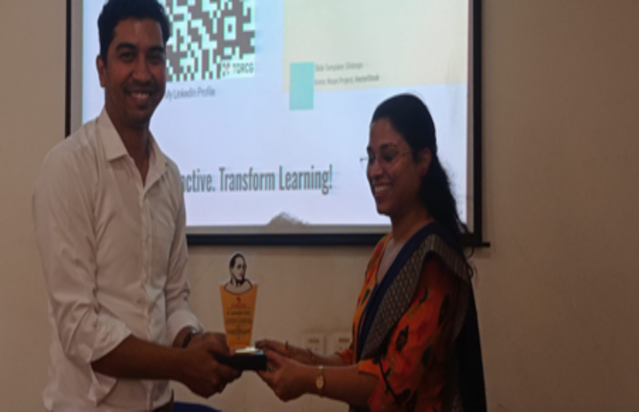
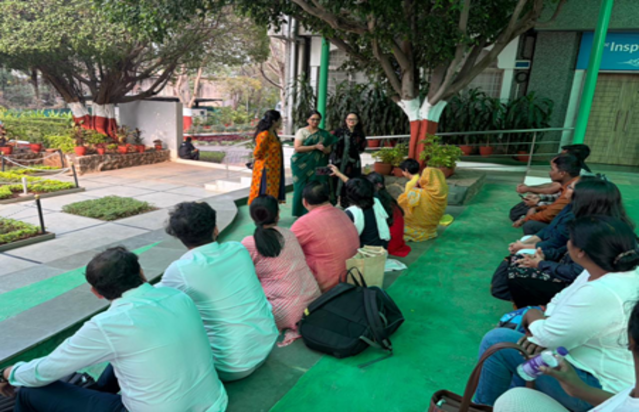
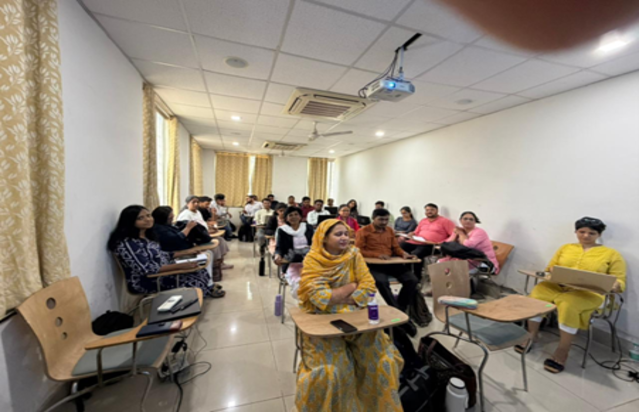
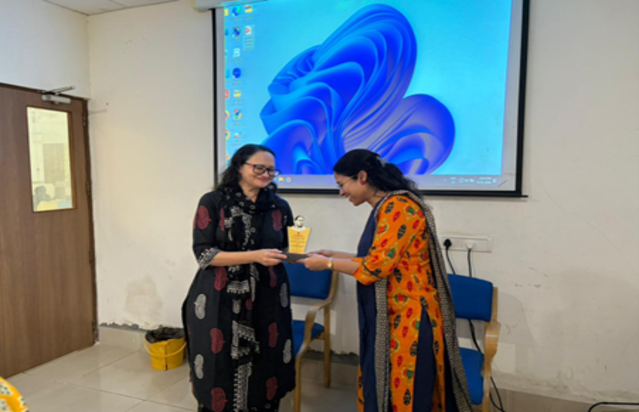
The academic structure of the workshop comprised two intensive sessions, strategically divided into a pre-lunch and post-lunch format to ensure conceptual clarity, followed by practical application. The first session, conducted in the morning before lunch, was delivered by Dr. Krishnakantha Roy from the Symbiosis Institute of Economics. This session focused on the theoretical and ethical dimensions of using artificial intelligence in academic research and publication. Dr. Roy elaborated on how AI can assist researchers in refining research questions, structuring arguments, and strengthening literature reviews, while also cautioning against over-dependence and unethical practices such as plagiarism and uncritical content generation. He emphasised the importance of transparency, citation practices, and academic accountability while using AI tools, especially in social science research engaging with sensitive themes such as caste, gender, inequality, education, and marginalisation.
The second session, held after lunch, was conducted by Dr. Ajittha Deshmukh from MIT World Peace University, Pune. This session was highly interactive and application-oriented, focusing on the practical use of AI-based and digital research tools across different stages of the research process. Participants were introduced to tools such as Mind Mapping applications for conceptual clarity, ChatGPT for drafting and refining academic text, Perplexity for research-based information retrieval, ScienceSpace for navigating and understanding scholarly articles, and Xtract for extracting and organising academic data. Through live demonstrations and guided explanations, Dr. Deshmukh illustrated how these tools can be integrated into research workflows for literature review, argument development, and publication preparation, while maintaining ethical and scholarly standards.
Following the academic sessions, a structured discussion and interaction were held with the Dean of the Department of Education and Research Professor SCHERPA, and Professor Neeta Inamdar. This interaction focused on the need to build sustained academic communities among PhD scholars across institutions. The discussion highlighted the importance of regular scholarly interaction, collaborative research initiatives, peer learning, and idea-sharing platforms, particularly for scholars engaged in Ambedkarite and interdisciplinary social science research. Participants actively engaged in the discussion and shared their perspectives on how institutional support and digital platforms can facilitate continuous academic exchange beyond formal workshops.
The concluding segment of the programme included the distribution of participation certificates to all attendees, formally recognising their engagement and learning outcomes. As a distinctive and enriching component of the workshop, participants were taken on a guided visit to the Dr Babasaheb Ambedkar Museum and Memorial. The visit allowed scholars to engage with the life, ideas, and legacy of Dr. B. R. Ambedkar through curated exhibits. A special highlight of the visit was the hologram presentation of Dr. Babasaheb Ambedkar, which provided an immersive and reflective experience, reinforcing the intellectual and historical grounding of the workshop’s academic themes.
In conclusion, the workshop was successfully conducted and met its intended objectives. It provided PhD scholars with a comprehensive understanding of how technology and artificial intelligence can be ethically and effectively integrated into academic research and publication practices. The programme fostered interdisciplinary dialogue, enhanced methodological awareness, and strengthened academic networking among participants. The combination of expert lectures, hands-on training, interactive discussions, and experiential learning through the museum visit made the workshop academically rigorous, engaging, and impactful. The initiative significantly contributed to capacity building in research and publication within the domains of Dr. Ambedkar Thoughts and Social Sciences, aligning with the broader academic vision of Symbiosis International (Deemed University).


